
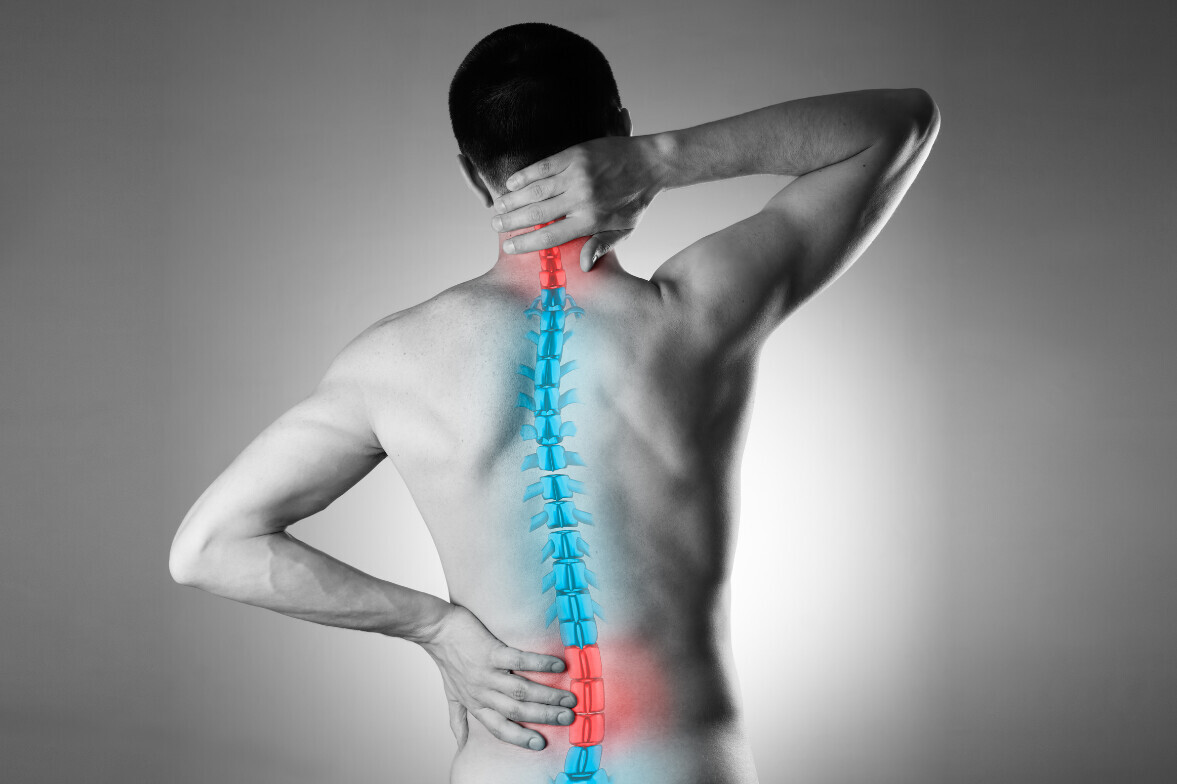
One of the most confusing things about disc-related back or leg pain is that it often isn’t triggered by heavy lifting or dramatic movement.
Instead, it shows up during things that seem harmless:
-
Sitting at work
-
Driving
-
Standing in one place
-
Riding in a car or plane
People often say:
-
“I’m fine when I move, but sitting wrecks me.”
-
“Driving is worse than exercising.”
-
“Standing still hurts more than walking.”
That experience isn’t random — and it isn’t a posture failure.
Why Stillness Is Often Harder Than Movement
Movement gives the body options.
When you move:
-
Load shifts
-
Pressure changes
-
Tissues share stress
-
Nerves adapt
When you stay still, those options disappear.
Sitting, driving, and standing still are all sustained positions. Sustained positions reveal where load has nowhere else to go.
If the system already has restrictions — from disc sensitivity, nerve tension, or adhesion — stillness quietly reloads the same tissues over and over.
Why Sitting Is Such a Common Trigger
Sitting is one of the most common aggravators for disc and leg pain, especially sciatica.
This isn’t because sitting is “bad.”
It’s because sitting:
-
Reduces movement options
-
Increases sustained spinal load
-
Limits how force is redistributed
When the body can’t subtly adjust, stress accumulates.
Over time, even a neutral position becomes irritating.
Why Driving Is Often Worse Than Sitting
Driving combines several challenging factors:
-
Prolonged sitting
-
Vibration
-
Limited movement
-
Subtle nerve tension from hip and leg positioning
People often notice:
-
Leg pain creeping in during long drives
-
Back stiffness that lingers after getting out
-
Symptoms that take hours to calm down
This happens because driving keeps the system locked into load, without opportunities to unload.
If nerve mobility is already limited, driving often exposes that quickly.
Why Standing Still Can Be Surprisingly Provocative
Many people assume standing should feel better than sitting.
But standing still:
-
Reduces movement options
-
Requires sustained muscle activity
-
Maintains constant spinal load
Without small, frequent shifts, the same tissues stay stressed.
This is why people often say:
-
“I’m okay walking, but standing in line kills me.”
-
“Standing still is worse than moving.”
Again — not a failure, just a clue.
What These Positions Have in Common
Sitting, driving, and standing still all share one key feature:
they limit adaptability.
When adaptability is limited:
-
Load concentrates
-
Tension accumulates
-
Sensitive tissues don’t get relief
This is especially true when:
-
Adhesions reduce tissue glide
-
Nerves have limited mobility
-
Discs are already sensitized
In that environment, stillness becomes stressful.
Why This Is Often Misattributed to “Bad Posture”
People are frequently told:
-
“You’re sitting wrong.”
-
“Your posture is bad.”
-
“You need to sit up straighter.”
While posture can influence load, it rarely explains why:
-
Multiple positions hurt
-
Pain shows up no matter how you sit
-
Symptoms return even with “good posture”
The issue usually isn’t posture — it’s lack of load-sharing options.
Why Changing Positions Helps — But Doesn’t Fix Everything
Many people notice relief when they:
-
Stand up
-
Walk around
-
Shift positions
That relief is real, and it’s meaningful.
But if pain returns quickly, it often means:
-
Load was reduced temporarily
-
But baseline tension remained high
-
The system still lacks adaptability
Movement helps — but without addressing restriction, it often becomes a short-term solution.
The Role of Adhesion and Nerve Tension Here
When tissue layers are adhered:
-
Movement options decrease
-
Subtle shifts are lost
-
Force is transmitted instead of dissipated
When nerves can’t glide normally:
-
Tension increases sooner
-
Positions feel uncomfortable faster
-
Symptoms appear with less stress
This combination makes sustained positions especially challenging.
It also explains why:
-
Stretching helps briefly
-
Posture fixes don’t hold
-
Pain returns during normal life
Why This Feels So Discouraging
From the patient’s perspective, this is exhausting.
You avoid heavy lifting.
You exercise carefully.
You try to “do everything right.”
And yet:
-
Sitting hurts
-
Driving hurts
-
Standing still hurts
It can start to feel like your body is fragile or broken.
In reality, it’s often overloaded, not damaged.
Why Unloading Changes How These Positions Feel
When unnecessary tension is reduced:
-
Load redistributes
-
Stillness becomes more tolerable
-
Symptoms appear later — or not at all
People often notice:
-
Longer sitting tolerance
-
Easier driving
-
Less reactivity after standing
Not because they avoided positions — but because the system regained options.
When These Triggers Are a Signal, Not a Verdict
Sitting, driving, and standing still are not enemies.
They’re diagnostic clues.
They tell us:
-
Where adaptability is limited
-
Where load is concentrating
-
Why pain keeps returning
When those clues are understood, care becomes more focused — and less frustrating.
If these positions reliably trigger your symptoms, that pattern matters.
If you’d like to talk through how your pain behaves and see whether it follows a musculoskeletal pattern that can be addressed, you can schedule a consultation here.
The Bottom Line
If sitting, driving, or standing still consistently trigger your back or leg pain, the problem usually isn’t weakness or posture.
It’s that:
-
Load has nowhere else to go
-
Adaptability is limited
-
Unnecessary tension keeps reloading sensitive tissues
Until that changes, normal life keeps provoking symptoms.
If your pain hasn’t made sense so far, clarity often starts with understanding why stillness hurts.
You can schedule a consultation here.

Zac Breedlove
Contact Me
.jpg)
.jpg)
