You’re in the right place
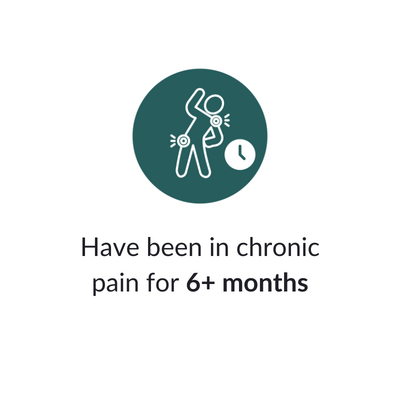
We specialize in helping people who’ve been in pain for over six months —people who’ve already seen multiple providers, tried physical therapy, massage, chiropractic, maybe even surgery… and still didn’t get the relief they’re looking for.
-----------------------------------------------------------------------------------------------------
We know how frustrating it is to bounce between treatments and get vague answers. That’s why we take a different approach. One that’s precise, testable, and focused on finding the true cause of your pain.
Who We Help


We are NOT the right fit for:
❌ People looking for a one-time treatment or quick fix
❌ Cases where pain doesn’t change with movement, posture, or activity (these are often non-mechanical and need a different kind of provider)
❌ People who expect insurance to determine the quality or direction of their care
Adhesion: The Secret Cause of Chronic Pain
The glue causes your muscles to be TIGHT... and WEAK... and PAINFUL
The #1 most overlooked cause of chronic pain is something called adhesion. It acts like glue inside your muscles, fascia, and around your nerves.
- It makes muscles tight, so you feel stiff or like you need to stretch constantly.
- It makes muscles weak, so you can’t hold a posture or keep up with activity.
- It gets missed by most providers because they can't feel it, test it, or remove it effectively.
"If you’ve ever had a scar, you’ve seen adhesion before. That’s just trauma- related. But most adhesion comes from overuse—the repetitive postures and movements you do every day."
What We Treat
.png)
.png)

We often work with patients who’ve been told they have:
-
Sciatica (“piriformis syndrome”) Pinched Nerve Disc Injuries Carpal Tunnel Syndrome
-
Plantar Fasciitis
-
Chronic Hamstring, Hip, or Shoulder Pain, Knee Pain, etc.
If your pain has a name and a pattern—but no provider has been able to fix it— adhesion is likely the missing piece!
How Adhesion Builds Up
✔ The desk worker who types all day: forearm, neck or wrist adhesion
✔ The mom who holds her baby on one hip: lower back or hip adhesion
✔ The runner who trains daily: Hip flexor, hamstring or calf adhesion
When muscles are overused and don’t get enough recovery, microscopic tears form. The body patches them with glue-like tissue—adhesion.
------------------------------------------------------------------------
The Good News?
It's easily fixable when treated precisely by hand by and expert. And when we remove it, your pain often improves immediately.
"Get muscle knots worked on = 48 hours of relief. Get adhesion remove = permanent relief."
Our Process
Visit 1: Consultation
A 30 minute sit down with your Provider. A Clinical Assistant will also be present taking notes so the Provider's full attention is on you. We take a deep dive into your history, review the care you've already tried, and most importantly, make sure your pain is something we can actually help.
Visit 2: Exam
A 60 minute visit with your Provider and Clinical Assistant. We test your range of motion, locate adhesion with our hands, and give you a clear answer. The Provider will explain what’s driving your pain and lay out your recommended plan. If there’s time, we may start a mini-treatment that same day — but the primary goal is clarity — understanding exactly what’s happening and how we’re going to fix it.
Visit 3+: Treatment
We get to work! Each visit follows a test, treat, retest format so you can see measurable change in the room before you leave.
The 5 Visit Rule
We don’t believe in endless treatment plans.
If there is no improvement after 5 visits, we re-evaluate. That’s our promise to you. It keeps us honest. And it keeps your care focused on what works.
"No matter how long you’ve been in pain, you should see some percentage of permanent relief in 5 visits or less."
How to make the most of your consultation
We know how frustrating it is to bounce between treatments and get vague answers. That’s why we take a different approach. One that’s precise, testable, and focused on finding the true cause of your pain. In order for us to provide you with the best possible care, we urge our patients to arrive at their Consultation prepared with how to describe their pain.
-----------------------------------------------------------------------------------------------------------------------------------------------
SYMPTOM LOCATION
- Where exactly is your pain? Identify the precise areas or regions.
WHAT DOES IT FEEL LIKE?
- Be as detailed as possible
- It can be more than one description - for example, does it feel achy, deep, dull, sharp, pinched, burning, weak, tight, or like pins and needles?
- If you have more than one location, note that each may have different qualities.
PROVOCATIVE FACORS
- What makes each pain location worse?
- Are there specific movements, posture or activities that increase your pain?
- For example, if sitting increases your lower back pain, how long can you sit before it starts to build? How long before it forces you to change position?
PALLIATIVE FACTORS
- What makes each pain location better? Maybe it doesn’t necessarily remove the pain, but gives you a bit of a reprieve?
- For example, if your back starts to hurt after 20 minutes of sitting, does getting up and walking reduce the pain? How long does it take to settle back down?
- What positions, postures, or movements help take the edge off?
These details help us measure progress. Pain is complex and often changes through variables like duration and intensity. For example, maybe you can now sit for 45 minutes before pain builds instead of 30 minutes, or the pain isn’t as intense when it does appear. These are key metrics we track because they show real improvement and guide our load management and treatment durability.
