
If you’ve been dealing with shoulder pain that keeps coming back no matter how much work you put into it, you’re not alone.
Many people do everything they’re told:
-
Strengthen the shoulder
-
Stretch tight muscles
-
Improve posture
-
Modify activities
-
Rest when it flares
And for a while, it helps.
Then the pain returns.
Sometimes it’s in the same spot. Sometimes it feels deeper. Sometimes it spreads into the arm. Sometimes it shows up after sitting, driving, or sleeping rather than during activity.
At that point, people start to wonder if the shoulder is actually the problem — or if something else is being missed.
Very often, it is.
Why Shoulder Pain So Often Becomes a Dead End
The shoulder is one of the most commonly treated joints in the body, but it’s also one of the most misunderstood.
That’s because shoulder pain is frequently downstream pain.
The shoulder absorbs load from:
-
The neck
-
The upper back
-
The rib cage
-
The nervous system
When load coming from above isn’t managed well, the shoulder becomes the place where symptoms show up — even if the shoulder itself isn’t the original driver.
This is why shoulder pain can:
-
Improve with treatment but never fully resolve
-
Return after activity or rest
-
Change locations over time
-
Feel inconsistent or vague
Why Shoulder Imaging Often Doesn’t Explain the Pain
Many people with chronic shoulder pain have imaging that shows:
-
Mild rotator cuff changes
-
Tendinosis
-
“Wear and tear”
-
Or nothing significant at all
This creates confusion.
If the imaging doesn’t look bad, why does the shoulder hurt so much?
The answer is often that imaging shows structure, not load.
A shoulder can look relatively normal and still be overloaded day after day because it’s compensating for restriction elsewhere — especially in the neck.
The Neck–Shoulder Relationship Most People Don’t Hear About
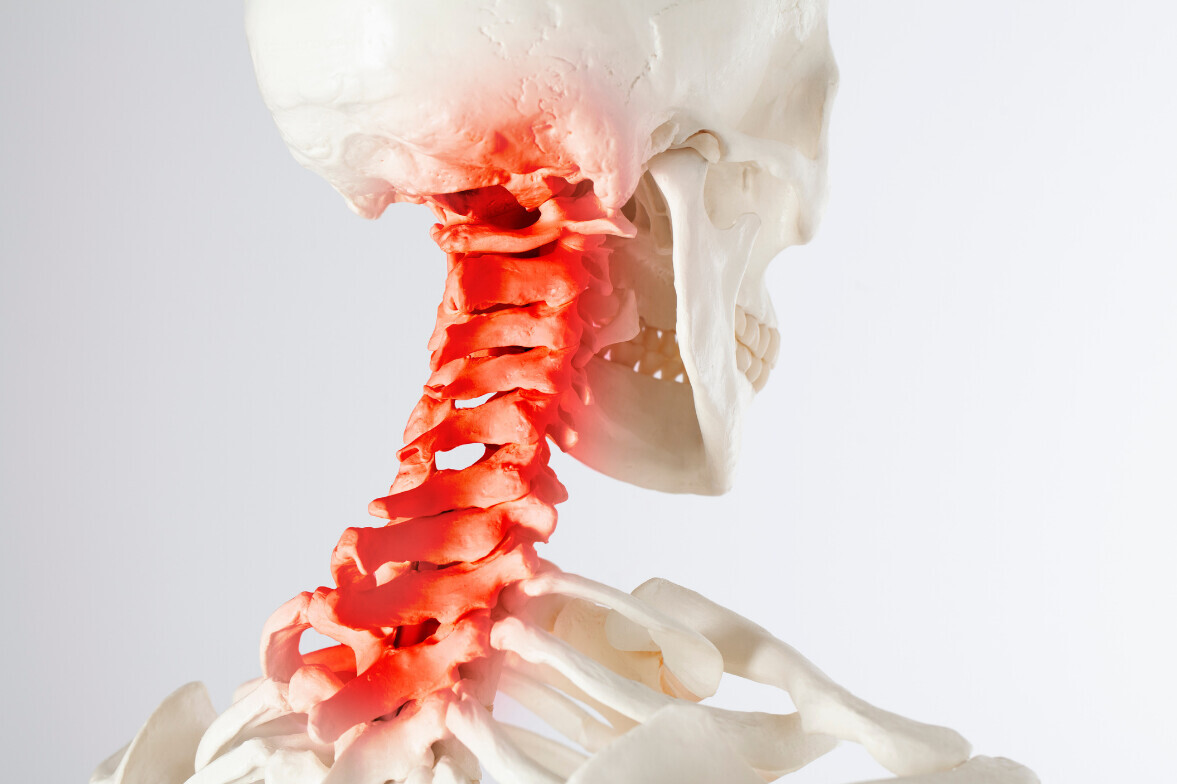
The neck and shoulder are not separate systems.
They are mechanically and neurologically connected.
The cervical spine:
-
Supplies nerves to the shoulder and arm
-
Influences muscle tone in the shoulder girdle
-
Plays a major role in how load is distributed during movement and posture
When the cervical system is restricted:
-
Shoulder muscles work harder to stabilize
-
Baseline tension increases
-
Movement becomes less efficient
-
The shoulder absorbs stress it wasn’t designed to handle long-term
Over time, this creates pain — even without a clear shoulder injury.
Why Shoulder Rehab Often Helps… but Doesn’t Hold
Many people notice that shoulder rehab helps at first.
Strength improves. Motion improves. Pain decreases.
Then real life happens.
Desk work. Driving. Stress. Sleep. Screens.
As soon as sustained load returns, symptoms creep back.
This usually means:
-
The shoulder got stronger
-
But the system above it didn’t unload
-
And load simply returned through the same pathways
Strength without unloading often leads to plateaus.
Why Shoulder Pain Often Returns With Sitting or Driving
One of the biggest clues that the neck is involved is when shoulder pain is worse with sitting or driving.
These activities:
-
Reduce movement options
-
Increase sustained cervical load
-
Increase nerve tension
-
Limit the shoulder’s ability to redistribute force
If the neck can’t adapt, the shoulder ends up stabilizing more than it should.
That constant demand often recreates pain even if the shoulder itself has improved.
How Nerve Tension Plays a Role in Shoulder Pain
Nerves are not just electrical wires — they are mechanical structures.
Cervical nerves must:
-
Glide with neck movement
-
Adapt during shoulder motion
-
Tolerate sustained postures
When nerve mobility is limited:
-
Baseline tension increases
-
Muscles around the shoulder stay more guarded
-
Deep, vague shoulder pain becomes more likely
-
Symptoms don’t follow clean injury patterns
This is why shoulder pain sometimes feels:
-
Hard to pinpoint
-
Deep or achy
-
Worse with stillness
-
Better with movement, but not resolved
Adhesion: The Quiet Contributor
Adhesions don’t usually cause sharp pain.
What they do is reduce movement options.
When tissues in the neck, upper back, or shoulder girdle don’t glide well:
-
Load is transmitted instead of absorbed
-
The shoulder compensates
-
Stress concentrates instead of spreading out
Over time, the shoulder becomes irritated — not because it’s weak, but because it’s overloaded.
This is often missed in traditional shoulder-focused care.
Why Shoulder Pain Keeps “Moving”
Another common frustration is migrating pain:
-
Front of the shoulder becomes the side
-
Side becomes the back
-
Pain moves into the arm
-
Symptoms feel different every few months
This usually reflects load redistribution, not new injury.
When one area calms down, load shifts to the next available structure.
Without unloading the system above, symptoms often move instead of resolving.
Why This Is So Frustrating for Patients
From the patient’s perspective, this experience is exhausting.
You did the rehab.
You got stronger.
You followed instructions.
And yet:
-
Pain keeps coming back
-
Nothing ever fully sticks
-
You’re left wondering what you’re missing
In most cases, you’re not missing effort.
You’re missing context.
Why Looking at the Neck Changes the Conversation
When the neck is considered as part of the shoulder problem:
-
Symptoms often make more sense
-
Recurrence patterns become clearer
-
Care becomes more targeted
-
Expectations become more realistic
This doesn’t mean the shoulder doesn’t matter.
It means the shoulder may be absorbing load, not generating pain on its own.
When a Conversation Is the Right Next Step
A consultation is not an exam or treatment session.
It’s a detailed conversation designed to:
-
Understand your full symptom history
-
Identify patterns of load and tolerance
-
Determine whether shoulder pain is being driven from the neck
-
Decide whether care makes sense or referral elsewhere is more appropriate
Musculoskeletal pain follows patterns.
When shoulder pain keeps coming back, those patterns matter.
If your shoulder pain hasn’t made sense so far, you can schedule a consultation here.
Bottom Line
If your shoulder pain keeps coming back despite rehab, strength work, and rest, the problem is often not the shoulder alone.
When the neck can’t adapt:
-
The shoulder compensates
-
Load stays high
-
Pain returns
Checking the neck first often explains why shoulder pain never fully resolves.
You can schedule a consultation here.

Zac Breedlove
Contact Me
.jpg)
.jpg)
